Compress Guide: Natural home remedies
From potato compresses to onion compresses: EGK’s digital compress guide showcases natural and effective remedies for colds, fevers, headaches and injuries, explained simply and suitable for use at home.
Which nappy is best for what?

Abdominal discomfort
For abdominal pain, flatulence and gastrointestinal cramps.
-
Ingredients:
- Inner cloth (e.g. cotton gauze)
- Middle layer (e.g. flannel)
- Outer layer (e.g. molton)
- Hot water bottle (if required)
- Bath towel (adults) (if required)
- Rubber gloves
- Water (boiling)
Method
- Boil ½ litre of water, fold the cotton gauze into it and wring it out thoroughly. Wear rubber gloves whilst doing so.
- Check the temperature against the inside of your forearm, then carefully place it on the painful area and secure it with flannel and molton.
- Keep warm with a hot water bottle if necessary.
Duration: 20–30 minutes, followed by 30 minutes’ rest.
⚠ Do not use in cases of appendicitis. -


Cough
Compresses made with potatoes or onions have proved effective.
-

Ingredients:
- Inner cloth (e.g. cotton gauze)
- Middle cloth (e.g. barchent)
- Outer cloth (e.g. molton)
- Possibly a bath towel
- 1–3 potatoes (depending on size)
Method
- Boil the potatoes in their skins until soft, place them on the cotton gauze, mash them and fold them into a parcel.
- Check the temperature on the inside of the forearm — risk of burns.
- Apply the compress and secure it with flannel and molton. Check the temperature regularly.
Duration: As long as it feels comfortably warm, up to 2 hours.
-

Ingredients:
- Inner cloth (e.g. cotton gauze)
- Middle layer (e.g. barchent)
- Outer layer (e.g. molton)
- 1–2 medium-sized onions
Instructions:
- Chop the onions into fine pieces, place them on the cotton muslin and fold into a parcel of the appropriate size.
- Gently warm the parcel on an upturned pan lid over boiling water.
- Check the temperature against the inside of your forearm, then place it on your chest and secure it with barchent and molton. If necessary, cover it with a bath towel as well.
Cold treatment:
Place an onion compress on the affected area and secure it with barchent and molton (or an elastic bandage if necessary).
Tip for insect bites: Cut an onion in half, squeeze it gently and place the cut surface on the bite. Allergic reactions require consultation with your GP.


Fever
Cooling compresses help to gently bring down a high temperature.
-
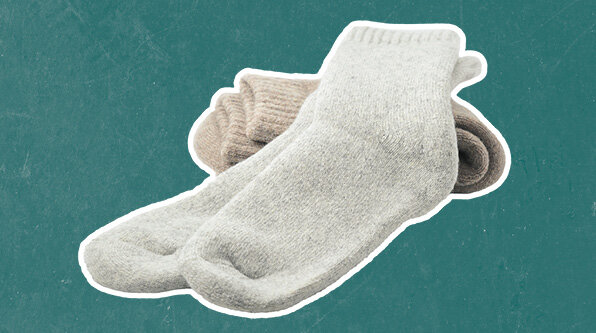
Suitable for babies aged 6 months and over.
Ingredients:
- Bath towel (as a bed protector)
- Cotton socks
- Wool socks
- Water (at body temperature)
Directions for use
- Soak cotton socks in lukewarm water and wring them out thoroughly.
- Pull the wet socks up to your knees, then put dry woollen socks over them.
- Remove immediately if you feel cold.
Duration: 20–30 minutes.
⚠ Do not use if your feet are cold or you feel cold. Risk of hypothermia, particularly in infants and young children.Tip
Change socks before they become warm and dry (after 5–10 minutes); wash them before re-use. For subsequent applications, gradually lower the water temperature. Feet and calves must always remain warm. Stop immediately if you feel cold. -
The procedure is the same as for calf wraps and wet socks. Instead of socks or tea towels, use small cotton or terry cloth washcloths.
Ingredients:
- Bath towel (to protect the bed)
- 4 towels
- 4 small cotton or terry washcloths
- Water (at body temperature)
- The person with a fever must have warm feet and calves. Place the bed protector and a terry towel under their feet and calves.
- Fill a basin with lukewarm water. Place the washcloths in the water and wring them out. Wring them out thoroughly and wrap them tightly around the pulse points on the wrists and ankles. Then cover them with the terry towel.
- Change the wraps before they become warm and dry (after five to ten minutes). Rinse the compress cloths thoroughly under running water before reusing them.
- Lower the water temperature by a few degrees with each subsequent application.
Duration: 20–40 minutes, then take a break.
⚠ A fever that does not subside requires consultation with your GP. There is a risk of hypothermia, particularly in infants and young children. -
Ingredients:
- Bath towel (to protect the bed)
- 2 large terry towels
- 2 tea towels
- Water (at a comfortable temperature)
Instructions
- The person with a fever must have warm feet and calves. Place the bed protector and a terry towel under their feet and calves.
- Fill a basin with lukewarm water. Place the two tea towels in the water and wring them out. Wrap the towels tightly around both legs (from the ankle to the knee). Then cover with the terry towel.
- Change the wraps before they become warm and dry (after five to ten minutes). Rinse the wraps thoroughly under running water before reusing them.
- For each subsequent application, lower the water temperature by a few degrees.
Duration: 20–40 minutes, then take a break.
⚠ Ensure that your hands and feet do not get cold. There is a risk of hypothermia, particularly in infants and young children.


Sore throat
Warm compresses can relieve pain caused by a sore throat and difficulty swallowing.
-
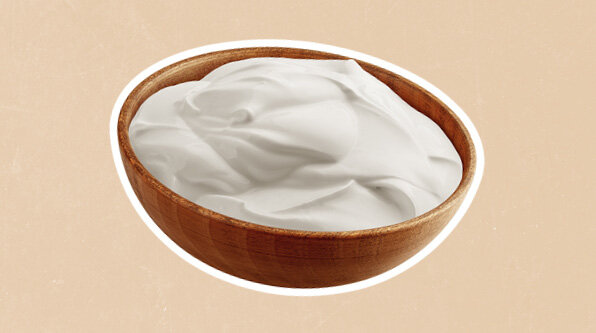
Ingredients:
- Inner cloth (e.g. barchent)
- Intermediate cloth (e.g. cotton gauze)
- Outer cloth (e.g. barchent or molton)
- Elastic bandage (if required)
- Low-fat quark without preservatives
Instructions for use
- Take the quark out of the fridge and leave it to stand for a while. Spread the quark onto the muslin (one to two centimetres thick) and fold it into a small parcel of the appropriate size.
- Place the quark compress on the affected area, cover with cotton gauze and secure with the barchent, molton or an elastic bandage for protection.
- Replace the compress when it becomes warm.
⚠ Remove the compress if the skin becomes cold or pale. Risk of local hypothermia.
⚠ If you have a known allergy to dairy products, test on a small area first. -
Ingredients:
- Inner cloth (e.g. cotton gauze)
- Middle layer (e.g. barchent)
- Outer layer (e.g. molton)
- 1–2 medium-sized onions
Instructions:
- Chop the onions into fine pieces, place them on the muslin cloth and fold it into a parcel of the appropriate size.
- Gently warm the parcel on an upside-down frying pan lid over boiling water.
- Check the temperature against the inside of your forearm, then place it on your chest and secure it with barchent and molton. If necessary, cover it with a bath towel as well.
Cold treatment:
Place an onion compress on the affected area and secure it with barchent and molton (or, if necessary, an elastic bandage).
Tip for insect bites: Cut an onion in half, squeeze it gently and place the cut surface on the bite. Allergic reactions require consultation with your GP.


Insect bites
For bites from mosquitoes, bees, wasps and hornets.
-
Ingredients:
- Inner cloth (e.g. barchent)
- Intermediate cloth (e.g. cotton gauze)
- Outer cloth (e.g. barchent or molton)
- Elastic bandage (if required)
- Low-fat quark without preservatives
Instructions for use
- Remove the quark from the fridge and leave it to stand for a while. Spread the quark onto the muslin (one to two centimetres thick) and fold it into a small parcel of the appropriate size.
- Place the quark compress on the affected area, cover with cotton gauze and secure with the barchent, molton or an elastic bandage for protection.
- Replace the compress when it becomes warm.
⚠ Remove the compress if the skin becomes cold or pale. Risk of local hypothermia.
⚠ If you have a known allergy to dairy products, test on a small area first. -
Ingredients:
- Inner layer (e.g. cotton gauze)
- Middle layer (e.g. barchent)
- Outer layer (e.g. molton)
- 1–2 medium onions
Instructions:
- Chop the onions into fine pieces, place them on the cotton muslin and fold it into a parcel of the appropriate size.
- Gently warm the parcel on an upturned frying pan lid over boiling water.
- Check the temperature against the inside of your forearm, then place it on your chest and secure it with barchent and molton. If necessary, cover it with a bath towel as well.
Cold treatment:
Place an onion compress on the affected area and secure it with barchent and molton (or, if necessary, an elastic bandage).
Tip for insect bites: Cut an onion in half, squeeze it gently and place the cut surface on the bite. Allergic reactions require consultation with your GP.

Headaches
A quark wrap can provide noticeable relief from headaches.
-
Ingredients:
- Inner cloth (e.g. barchent)
- Intermediate cloth (e.g. cotton gauze)
- Outer cloth (e.g. barchent or molton)
- Elastic bandage (if required)
- Low-fat quark without preservatives
Instructions for use
- Take the quark out of the fridge and leave it to stand for a while. Spread the quark onto the muslin (one to two centimetres thick) and fold it into a small parcel of the appropriate size.
- Place the quark compress on the affected area, cover with cotton gauze and secure with the barchent, molton or an elastic bandage for protection.
- Replace the compress when it becomes warm.
⚠ Remove the compress if the skin becomes cold or pale. Risk of local hypothermia.
⚠ If you have a known allergy to dairy products, test on a small area first. -

Earache
An onion compress can provide noticeable pain relief.
-
Ingredients:
- Inner cloth (e.g. cotton gauze)
- Middle layer (e.g. barchent)
- Outer layer (e.g. molton)
- 1–2 medium-sized onions
Method:
- Chop the onions into fine pieces, place them on the cotton muslin and fold into a parcel of the appropriate size.
- Gently warm the parcel on an upturned frying pan lid over boiling water.
- Check the temperature on the inside of your forearm, then place it on your chest and secure it with barchent and molton. If necessary, cover with a bath towel as well.
Cold treatment:
Place an onion compress on the affected area and secure it with barchent and molton (or an elastic bandage if necessary).
Tip for insect bites: Cut an onion in half, squeeze it gently and place the cut surface on the bite. Allergic reactions require consultation with your GP.
-

Sunburn and burns
For superficial burns where the skin is intact.
-
⚠ This compress should only be used by trained professionals. It must not be used on people who are sensitive, paralysed, suffering from sensory or circulatory disorders, or who are frail.
Ingredients:
- Inner cloth (e.g. cotton gauze)
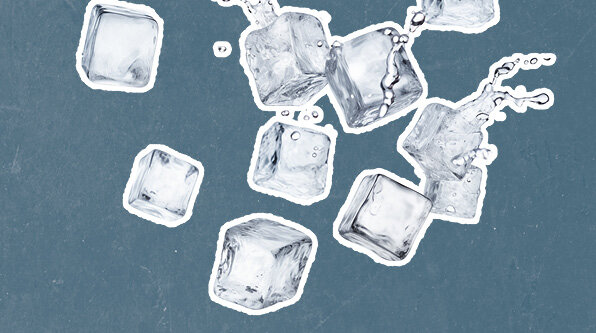
- Ice cubes
- Water (cold)
Method of use
- Pour cold water into the bowl and add ice cubes.
- Place the cotton gauze in the water, drain it lightly and place it on the affected area.
- Replace the compress when it becomes warm.
-
Ingredients:
- Inner cloth (e.g. barchent)
- Intermediate cloth (e.g. cotton gauze)
- Outer cloth (e.g. barchent or molton)
- Elastic bandage (if required)
- Low-fat quark without preservatives
Instructions for use
- Take the quark out of the fridge and leave it to stand for a while. Spread the quark onto the muslin (one to two centimetres thick) and fold it into a small parcel of the appropriate size.
- Place the quark compress on the affected area, cover with cotton gauze and secure with the barchent, molton or an elastic bandage for protection.
- Replace the compress when it becomes warm.
⚠ Remove the compress if the skin becomes cold or pale. Risk of local hypothermia.
⚠ If you have a known allergy to dairy products, test on a small area first.


Injuries
For sprains, bruises and contusions.
-
Ingredients:
- Inner cloth (e.g. barchent)
- Intermediate cloth (e.g. cotton gauze)
- Outer cloth (e.g. barchent or molton)
- Elastic bandage (if required)
- Low-fat quark without preservatives
Instructions for use
- Take the quark out of the fridge and leave it to stand for a while. Spread the quark onto the muslin (one to two centimetres thick) and fold it into a small parcel of the appropriate size.
- Place the quark compress on the affected area, cover with cotton gauze and secure with the barchent, molton or an elastic bandage for protection.
- Replace the compress when it becomes warm.
⚠ Remove the compress if the skin becomes cold or pale. Risk of local hypothermia.
⚠ If you have a known allergy to dairy products, test on a small area first. -

Ingredients:
- Inner cloth (e.g. barchent)
- Intermediate cloth (e.g. cotton gauze)
- Outer cloth (e.g. barchent or molton)
- Elastic bandage (if required)
- Arnica ointment (take care if you know you are sensitive to arnica)
Application
- Apply arnica ointment to the Barchent. Place a compress on the affected area and wrap it with cotton gauze.
- Secure the whole thing with the Barchent, Molton or an elastic bandage, depending on the size.
- Replace the compress when it becomes warm.
⚠ Do not apply to open wounds.

Preparation and notes
-
A classic swaddle usually consists of three nappies:
- Inner nappy (linen, silk, cotton, muslin nappy)
- Middle nappy (cotton, flannel)
- Outer nappy (woollen cloth, molton, bath towel)
Only natural fabrics such as cotton, linen, silk or woollen cloth are suitable. Synthetic fibres and airtight materials such as plastic or rubber are unsuitable, as they prevent the skin from breathing and cause heat to build up within the body.
-
Before applying a compress, a few points should be clarified:
- What are the needs of the person being treated?
- What symptoms are they experiencing?
- Which compress is most suitable?
- What materials are required?
Once the appropriate poultice has been selected, it is prepared according to the instructions. It is important to ensure a calm environment and a comfortable position for the patient. The compress is applied so that it fits snugly and is free of creases. The procedure should be carried out quickly but without rushing, to prevent the patient from becoming too cold. For first-time applications, closer monitoring is recommended, and if necessary, a companion should remain present during the treatment. After the treatment, it is advisable to rest for at least half an hour. For particularly sensitive individuals, or to help retain heat, the skin can then be rubbed with a natural oil.
The effects of a compress may be felt after just a few minutes, but often only become apparent after several applications. If the desired effect is not achieved, it is worth switching to a different type of compress. As a rule, one application per day over several days is sufficient. Acute conditions such as fever, inflammation or sprains are exceptions to this.
If there is no effect, if symptoms worsen or if you are unsure, it is advisable to consult a healthcare professional. Compress ingredients should be disposed of in the rubbish after use.
-
Cold compresses relieve acute pain and are used primarily for inflammation, bruises, strains, contusions and sprains. They are also effective for burns, sunburn and acute joint pain. Furthermore, cold compresses help to reduce a high temperature.
Cold compresses should be applied to the affected area whilst very damp and must never be used on cool skin.
Do not use in the following cases:
- people who are chilled or shivering
- circulatory and sensory disorders
- bladder and kidney infections
-
Hot compresses help with chronic joint pain and muscle tension. They dilate the blood vessels and thus provide relief from cramps, indigestion and flatulence. Thanks to their antispasmodic and secretion-promoting effects, hot compresses are also used to treat cystitis, coughs, bronchitis, inflammation of the jaw and sinuses, and earache. They are also suitable for chronic rheumatic joint pain. The effects of hot and warm compresses can be enhanced with raw wool.
Hot compresses should only be used when slightly damp and must never be applied in cases of acute inflammation, such as swollen joints.
Do not use in the following cases:
- Heart and circulatory problems
- Diarrhoea with a fever
- Fever
- Inflammation of the musculoskeletal system
- Acute abdominal pain, herniated disc
- Infants and the elderly
- People with paralysis and sensory disturbances
-
Tempered compresses are a gentle treatment applied at body temperature and can usually be left on the skin for a longer period of time. Among other things, they help with headaches, sore throats, earache and nerve pain, and are ideal for babies, children and the elderly. Temperate wraps can also be enhanced with raw wool.
-
Like all naturopathic methods, compresses can have both positive and negative effects and trigger different reactions. For this reason, a first compress treatment should never be carried out overnight.
It is up to the person being treated to decide whether a compress is beneficial.
As soon as a compress is found to be uncomfortable, it should be removed immediately. Incorrect use can lead to unwanted side effects. If there is no improvement even after repeated use, it is advisable to seek medical advice.
Please note:
Compresses are a complementary naturopathic measure; they are not a substitute for medical treatment. Hot compresses must not be used if you have a fever. If symptoms persist, worsen or are unclear, consult a doctor or a healthcare professional. If there is no improvement after repeated use, stop using the compress.


