The history of EGK
EGK was founded in 1919 as the Birstal health insurance fund. This was amidst economic crises, general strikes and the Spanish flu. What began as a regional act of solidarity went on to become Switzerland’s first health insurance fund to consistently focus on Complementary medicine.
-
The long road to the Swiss health insurance system
Before the EGK could be founded, Switzerland first had to establish its own social security system. This was a process that took over 50 years and was heavily influenced by Germany.
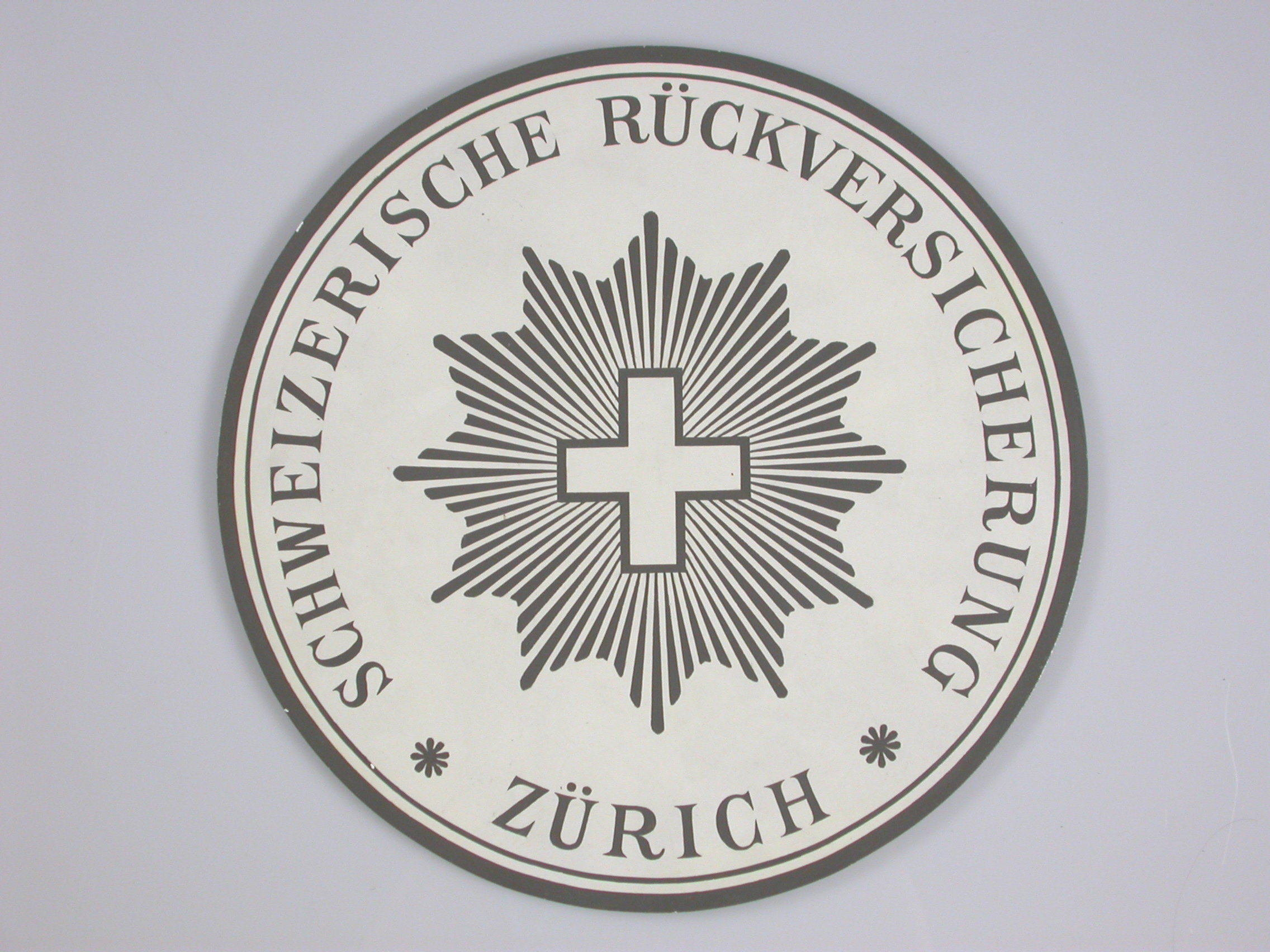
1863 Swiss Re was founded. ‘The early days of the Swiss insurance system were characterised by private initiatives, federalism and state restraint.’
1871 “In matters of insurance, Switzerland initially looked to Germany, where Reich Chancellor Otto von Bismarck had enacted the Reich Liability Act.”
1877 Switzerland introduced its first employers’ liability insurance act.
1912 The electorate approved the first Health and Accident Insurance Act. ‘It was a long and arduous journey from the beginnings of health and accident insurance in the 19th century to the expansion of the welfare state after the Second World War.’ It remained the benchmark until 1996.
-
Establishment of the Birstal Health Insurance Fund
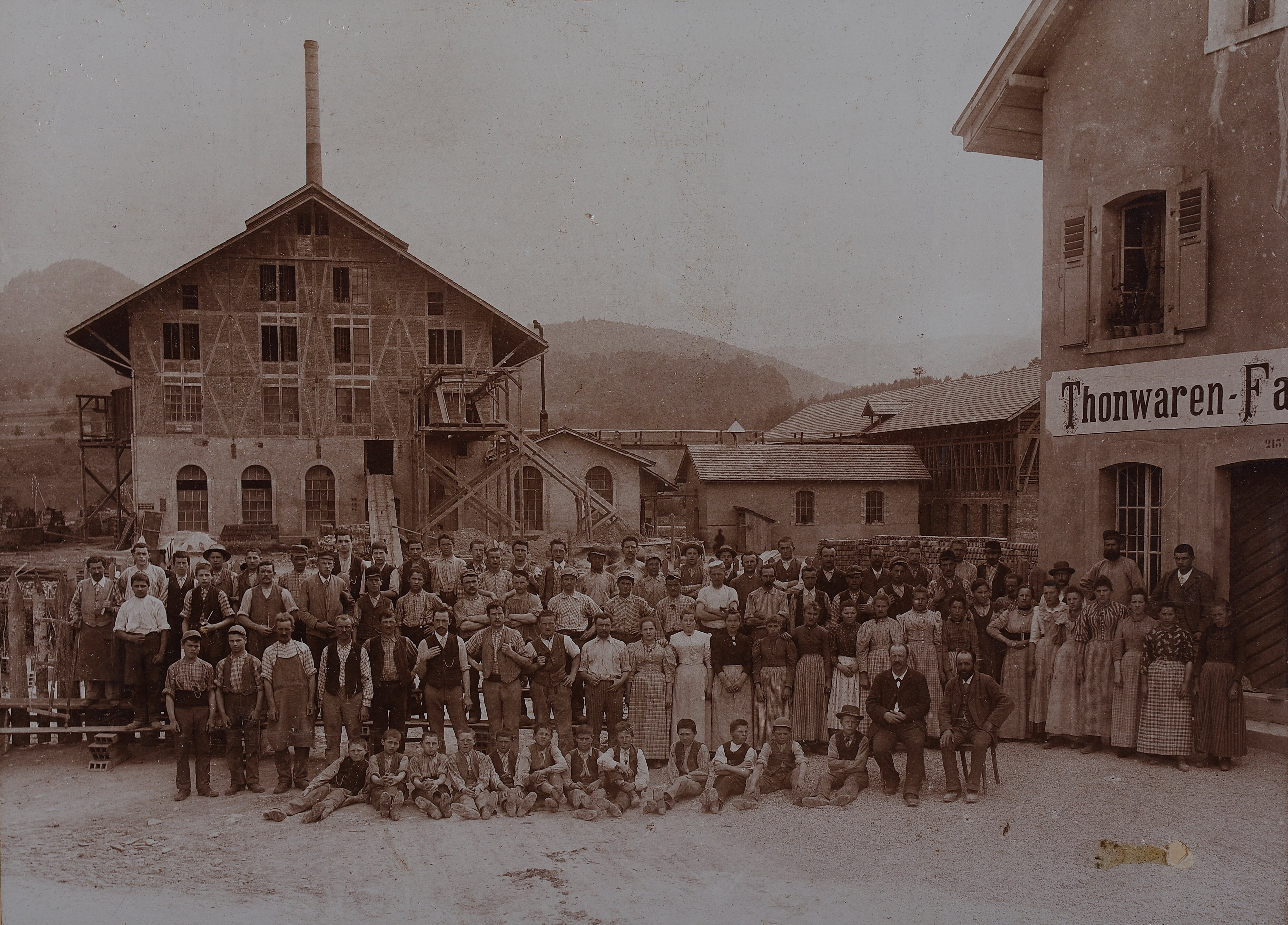
“On 22 March 1919, what is now the EGK-Health Insurance fund was founded under the name ‘Krankenkasse des Birstals’ in the canteen of the pottery factory in Laufen by a number of industrialists from the Laufental region. They were regarded at the time as courageous pioneers: shortly after the end of the First World War, the period was marked by economic and social crises.”
1919 The Spanish flu claimed around 25,000 lives in Switzerland and plunged health insurance funds into financial difficulties. The Birstal fund weathered the initial phase with few reserves.
1920 Its area of operation expands: companies such as the Wenger knife factory (now Victorinox) and watch manufacturers from the Jura region join the scheme. ‘Back then, the “Röstigraben” was hardly known in the Laufental’ — bilingual services were the norm from the very beginning.
1926 After the delegates’ meeting, the president offers wine to celebrate the increase in membership. In 1937, the association had around 10,000 members. By 2017, this figure had risen to 90,000.
-
Solidarity, technology and rising costs
Birstaler demonstrated early on what set her apart from others: solidarity with those in need and an awareness of natural healing methods. This was decades before either became the norm.
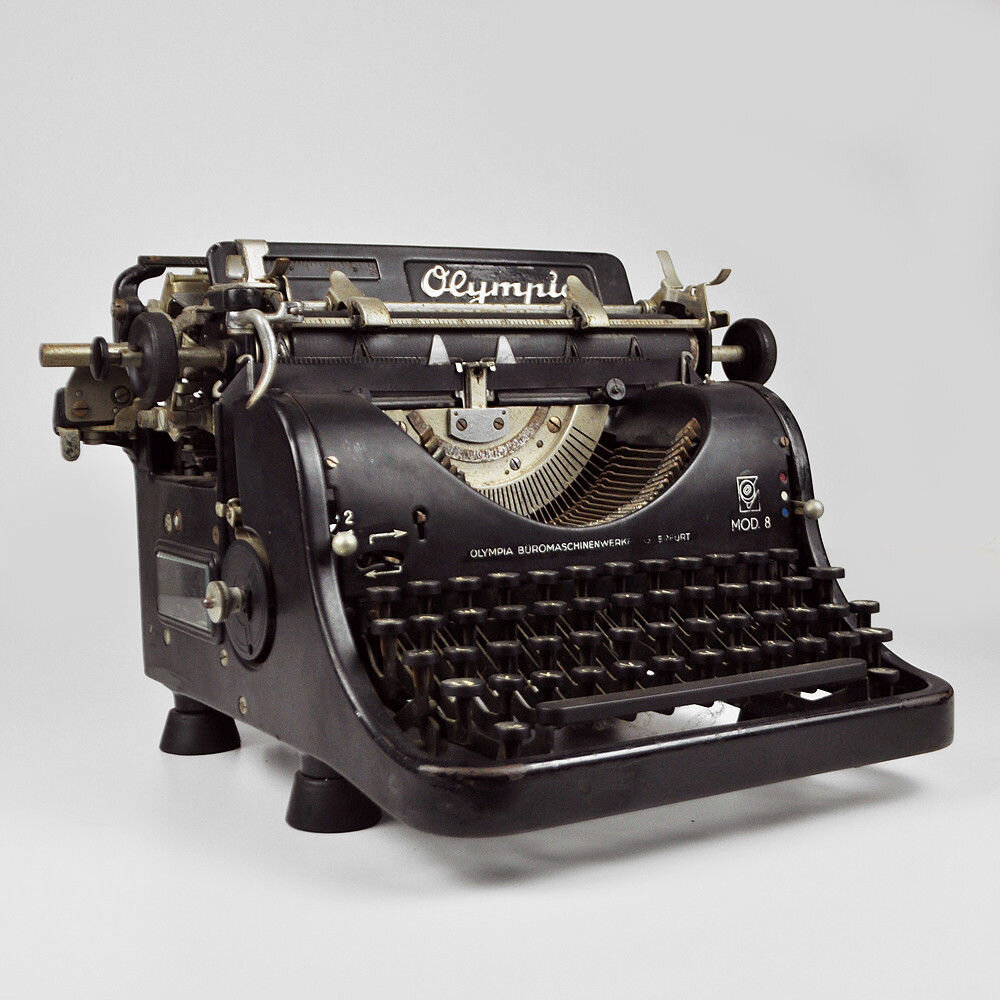
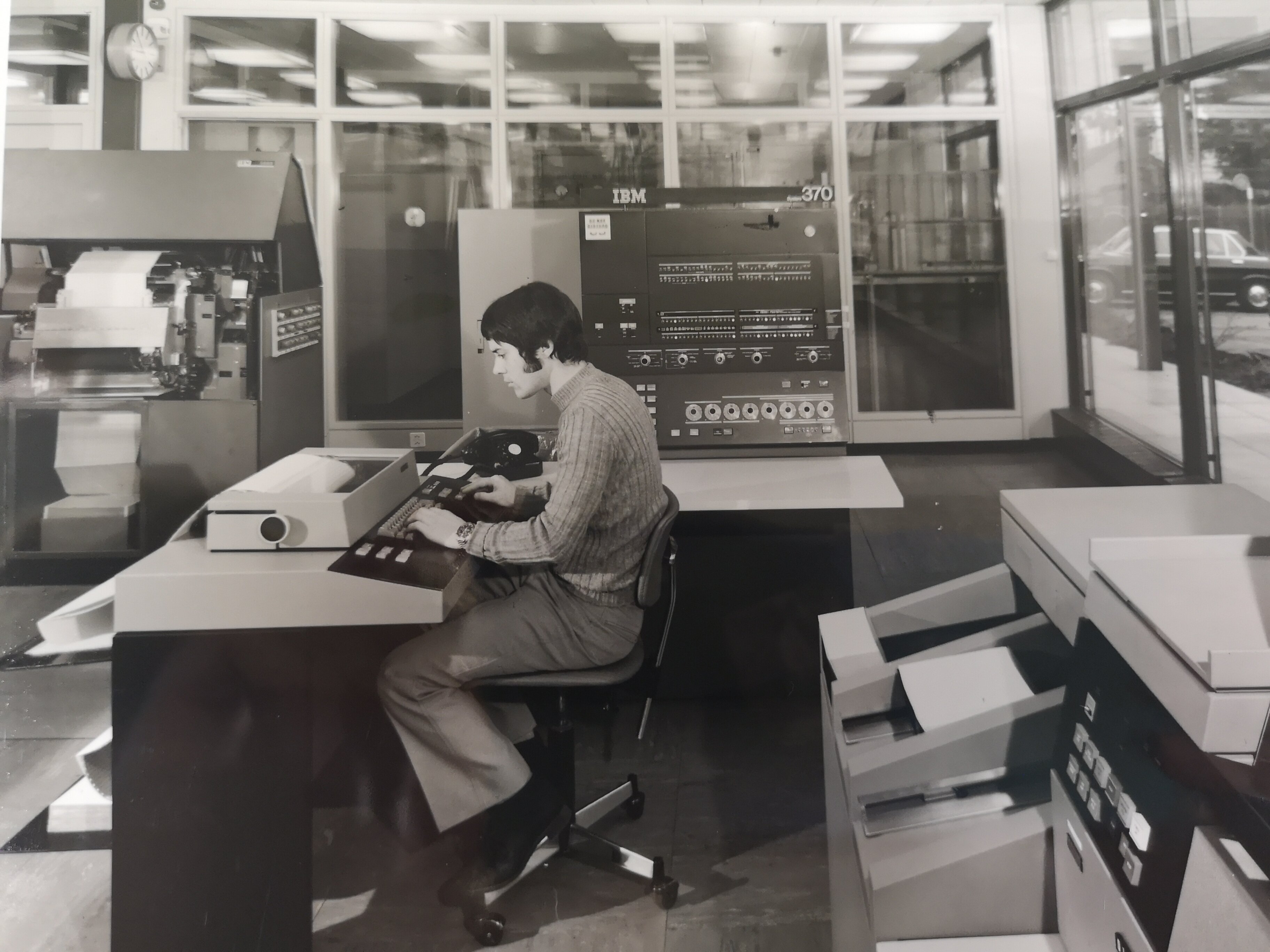
In 1931 the first typewriter was purchased for CHF 356.25 and recorded as a separate item in the annual accounts. In 1937, a card index system comprising 16,000 coloured membership cards was introduced at a cost of CHF 3,500.
1933 ‘Even back then, it was a matter of great importance to the people of Birstal to promote the use of natural and tried-and-tested healing methods, and it had already been recognised that both conventional and Complementary medicine had their place in therapeutic treatment.’ A relief fund supports families in cases of hardship. In 1934, an impoverished family received food and clothing worth 50 francs.
1948 Rising healthcare costs are nothing new. A letter to members from Grellingen (28 June 1948) documents a 35–40 per cent increase in premiums due to rising medical costs. Hospital costs rose from CHF 8 to over CHF 13 per day. In the same year, the AHV Act came into force.
1957 Debates over the obligation to provide benefits: Is skiing a ‘risk’? The 1957 Articles of Association exclude accidents whilst driving cars and motorbikes, as well as those occurring during air and water travel. In 1960, disability insurance came into force.
-
New names, a new home
The health insurance fund’s growth is breaking all boundaries, both regionally and in terms of its infrastructure. Its nationwide operations have been accompanied by a new name and a return to its founding location.
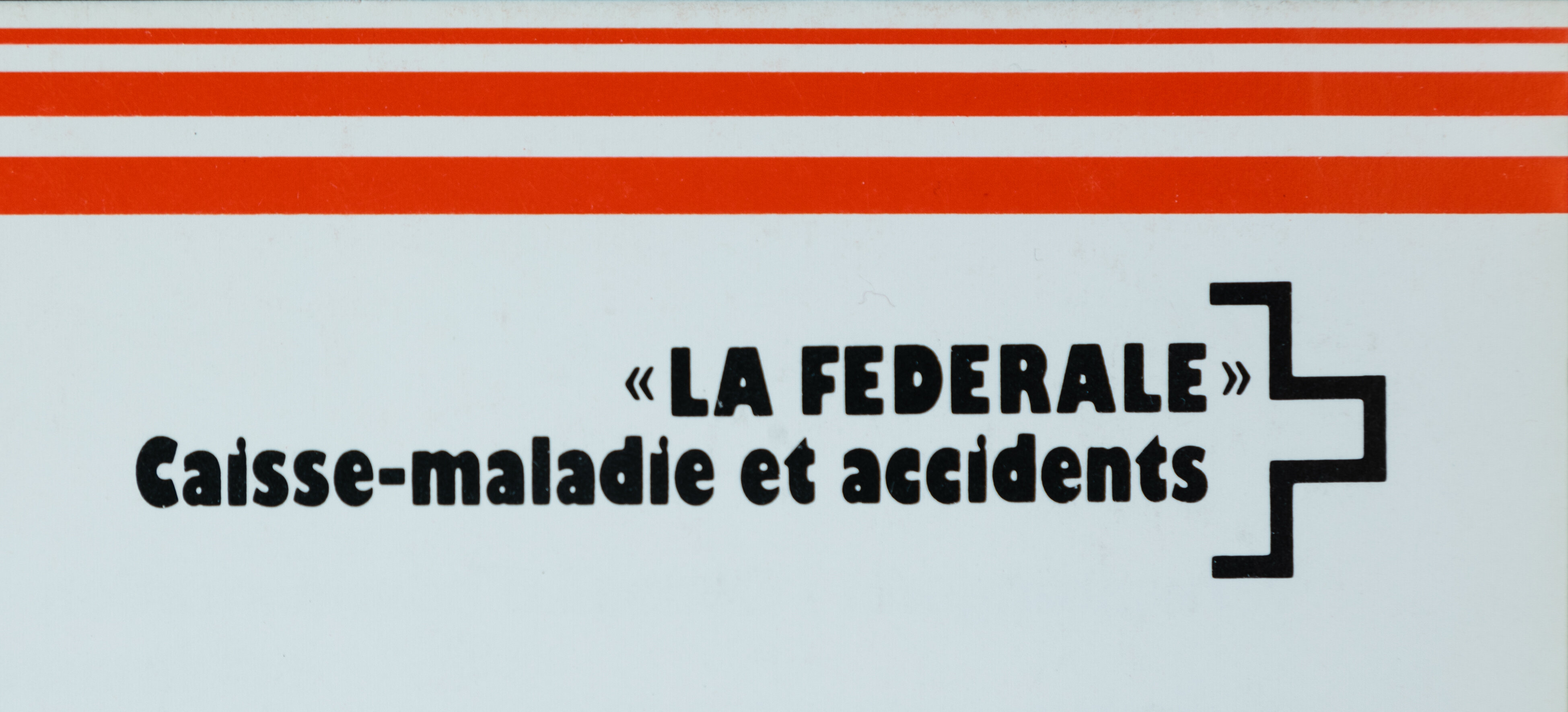
1966 “The name changes the health insurance fund has undergone over the last hundred years were directly linked to the expansion of its scope of activity and its focus and specialisation as a health insurer for Complementary medicine.” Birstaler becomes the ‘Federal Health and Accident Insurance Company’.
1969 To mark its 50th anniversary, the head office returns to Laufen. A plot of land near the railway station: 11.39 ares for CHF 100,000. The company moved into its offices at Brislachstrasse 2 on 1 April 1969. Over time, all the flats were converted into offices.
1976 Introduction of unemployment insurance. Switzerland’s occupational pension scheme continues to grow. In 1985, the Occupational Pensions Act (BVG) becomes mandatory.
-
A pioneer in Complementary medicine
The decisive step that continues to define EGK to this day: as Switzerland’s first health insurance provider, it began covering complementary medicine services – a move that was initially met with derision.
1978: Foundation of the nationwide ‘Physiologia’ section in Arlesheim. ‘The “Eidgenössische” was the first health insurer in Switzerland to take this step – and was ridiculed by its competitors for doing so.’
1987 The Delegates’ Assembly lays the foundations for the ‘Public Health Switzerland’ division. A division that reimburses exclusively natural therapeutic treatments and, due to high demand, is constantly expanding its range of services.
1990 Renamed the ‘EGK-Health Insurance’. ‘EGK thus made a definitive commitment to the equal treatment of conventional and Complementary medicine and offered its Members the opportunity to choose for themselves which treatment methods they considered appropriate for their needs.’»
1991 EGK became the first health insurer to establish its own therapist registration scheme with clearly defined accreditation criteria for therapists.
1994/95 First Swiss Health Days in Solothurn, under the patronage of EGK. 1995 Foundation of the SNE Foundation for Naturopathy and Empirical Medicine.
1996 The Health Insurance Act (KVG) comes into force: health insurance becomes compulsory. “This also marks the start of a new era for EGK-Health Insurance: insurance products must be completely reorganised.”
-

Moving forward digitally
EGK is continuing to play a pioneering role in the digital age, whilst at the same time planning a new building designed to bring all its sites together under one roof.
1997 ‘In 1997, EGK became the first health insurer to introduce its own digital document management system. All invoice documents – and later correspondence too – were scanned, eliminating the need for laborious file searches.”
2003 The main building at Brislachstrasse 2 is no longer sufficient. A terraced house next door is purchased, and additional office space is rented in the Birscenter. A new building in Laufen becomes inevitable.
2016 Launch of the Vituro health platform. New IT system: ‘All invoices are received in digital format and are automatically checked against a set of electronic rules.’ Around 40 per cent of invoices, mainly from the field of Complementary medicine, are forwarded for manual checking.
-
100 Years of EGK
The healthcare sector is becoming increasingly digital, and EGK is celebrating a special anniversary with an eye to the future.
2019 marks EGK’s 100th anniversary and the ground-breaking ceremony for the new headquarters in Laufen
-
The pandemic and a new beginning
The coronavirus pandemic is bringing about lasting changes to the healthcare sector. EGK is adapting its processes whilst setting the tone for the future.
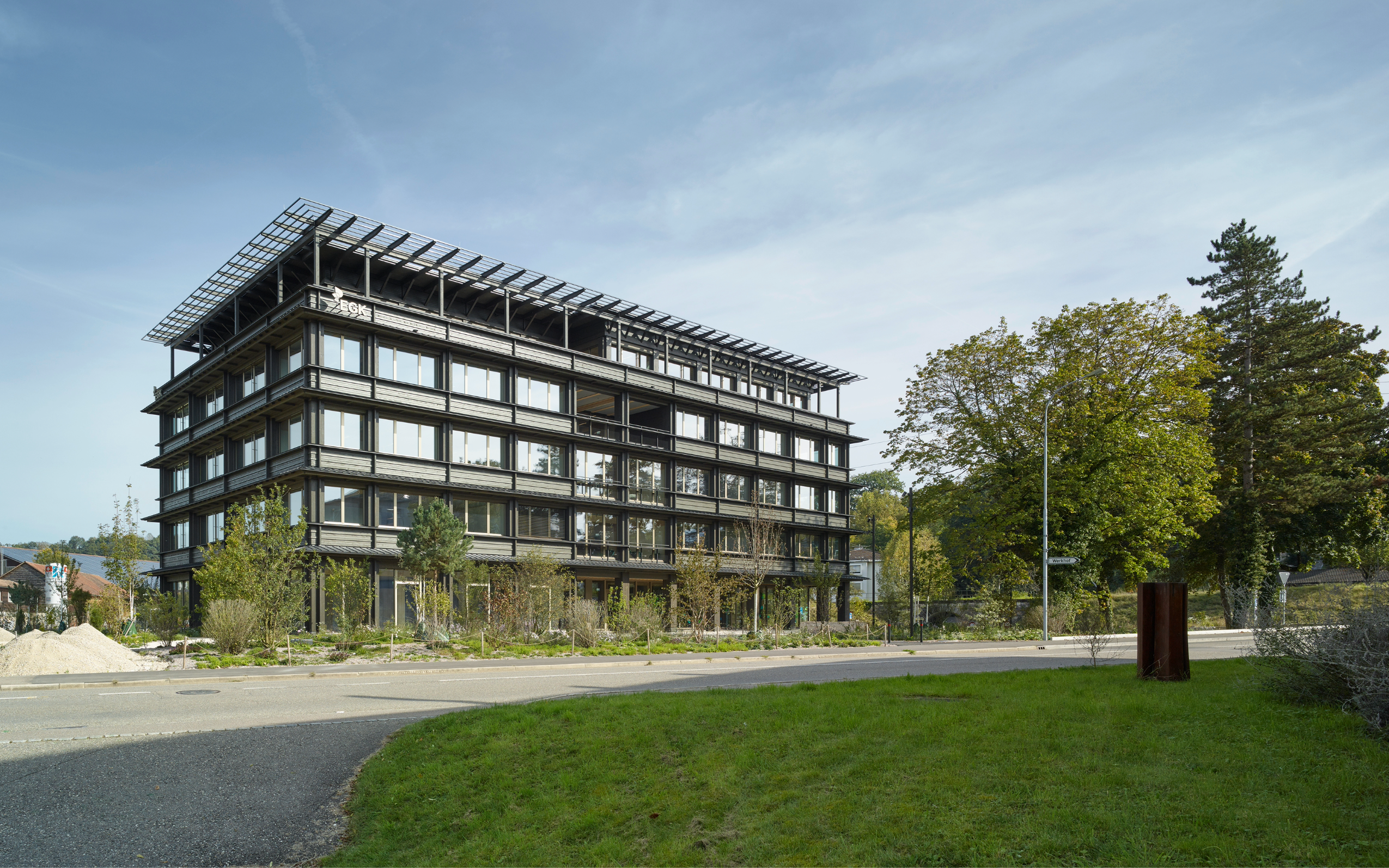
2021 Move to the new headquarters at Birspark 1 in Laufen
-
Continuity
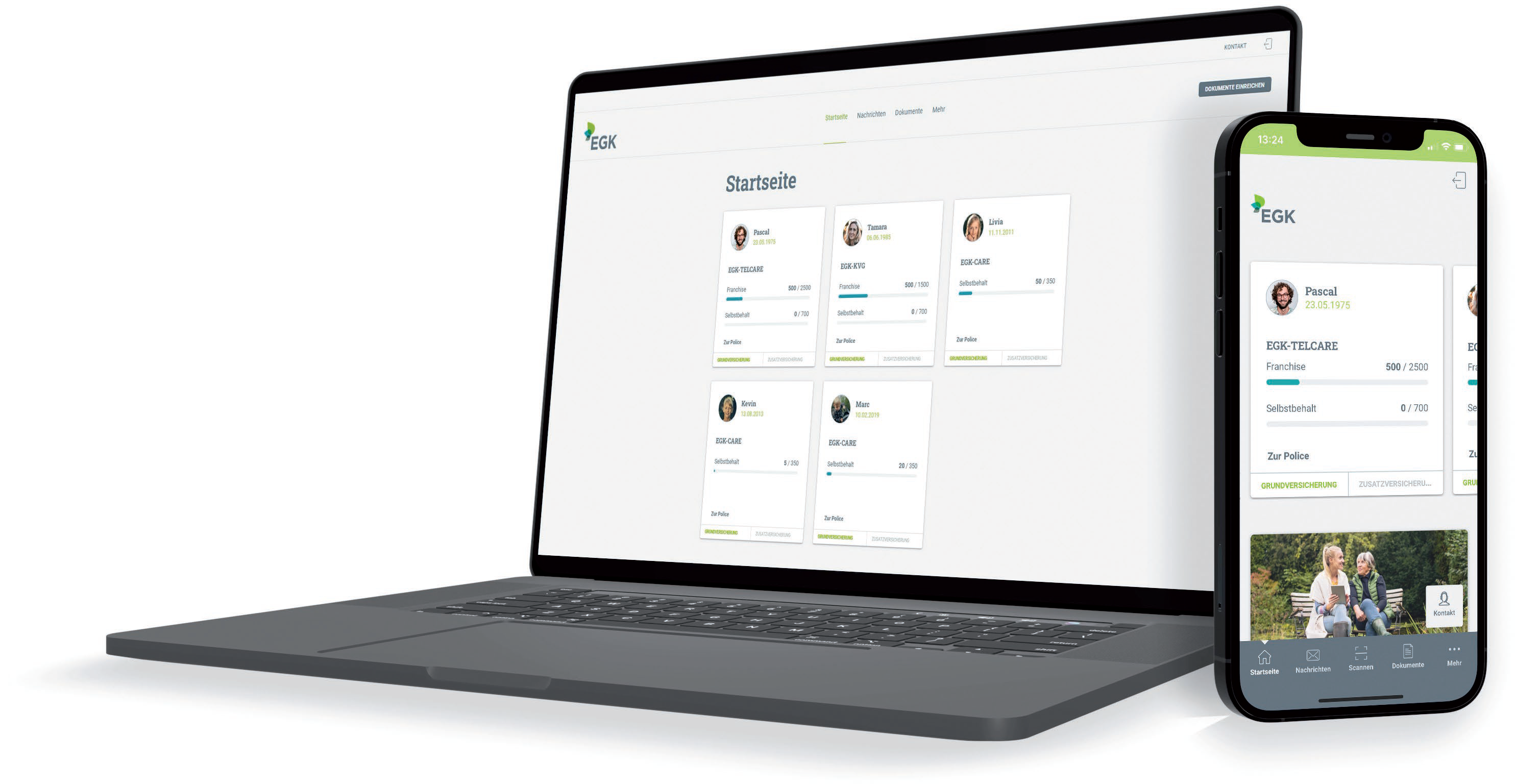
Rising healthcare costs and artificial intelligence are shaping the sector. EGK is continuing to develop its digital services whilst remaining true to its focus on personalised advice and Complementary medicine.


100 Years of EGK
To mark its 100th anniversary, EGK celebrated with projects that went far beyond a one-off celebration. Four initiatives made 2019 a year that clearly demonstrated a commitment to health, community and Complementary medicine.


Health Festival – A Day Just for You
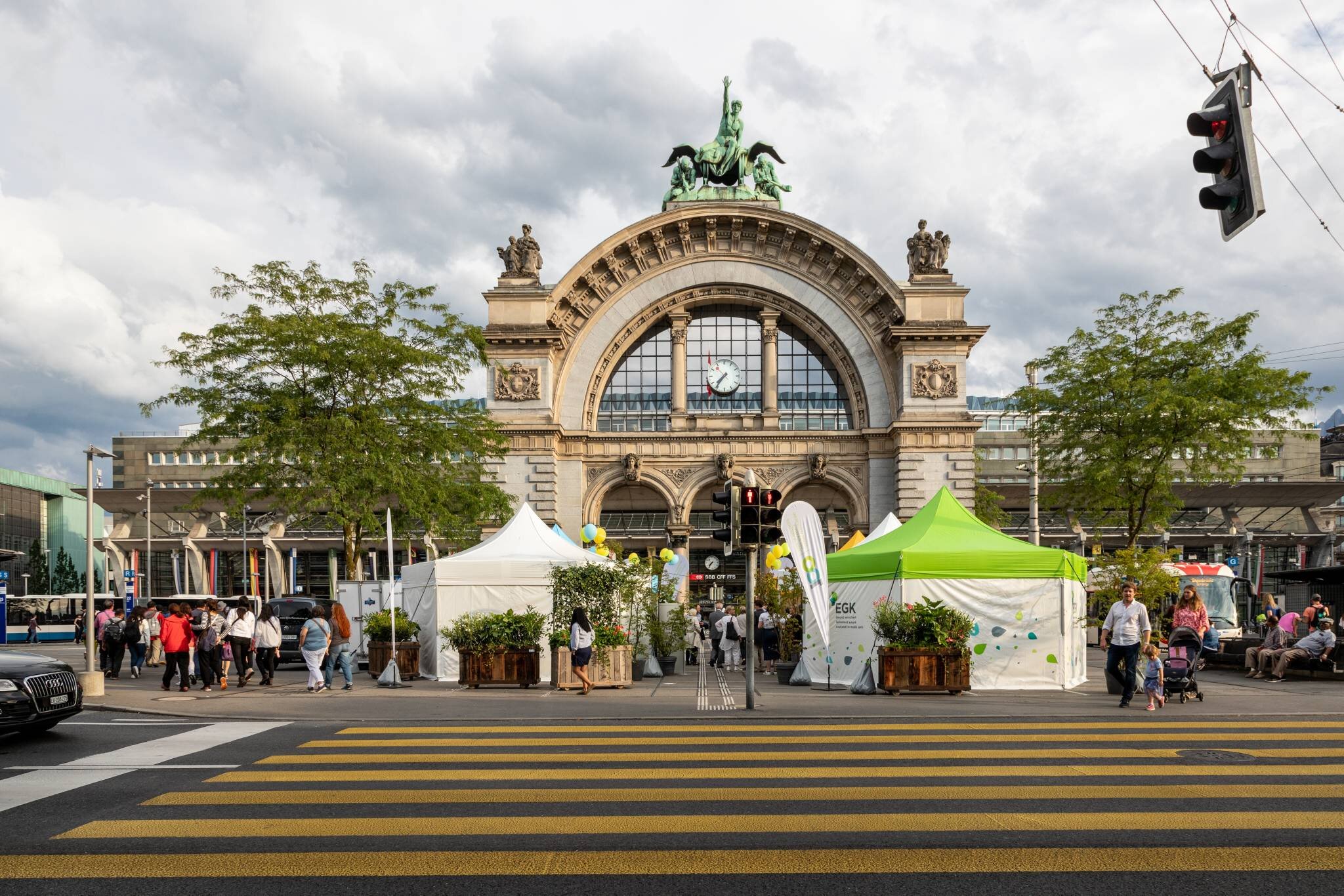
In its anniversary year, 2019, EGK set up its tent cities at three locations: on Waisenhausplatz in Bern and at the railway stations in Lucerne and Zurich. Visitors experienced EGK’s world of health across three interactive zones:
In the EGK tent, the focus was on personal interaction. Conversations with staff and stories from the past 100 years.
In the Vituro tent, visitors experienced first-hand the impact of exercise and nutrition on a healthy lifestyle and learnt how to properly regenerate their bodies.
In the SNE tent, the Foundation for Naturopathy and Empirical Medicine invited visitors to restore harmony to their bodies and vibrations with ‘Sound of Soul’.


The Orienteering World Cup brought the world to Laufen
The EGK Orienteering World Cup took place in Laufental from 27 to 29 September 2019. To mark its 100th anniversary, EGK welcomed the international elite of Orienteering to its home town in glorious autumn weather.


A playground for all generations
In collaboration with the Department of Sport, Exercise and Health at the University of Basel and the HoppLa Foundation, EGK designed and built a three-generations playground in Reben, Laufen. On 8 May 2019, the publicly accessible leisure area was opened — a place where people of all ages can have fun whilst developing their balance, strength and agility.


The 10th SNE Symposium – How can I live to a healthy 100?
This very question was the focus of the 10th SNE Symposium at the Landhaus Solothurn. The SNE Foundation for Naturopathy and Empirical Medicine — one of the key instruments in EGK’s commitment to equal opportunities for conventional and Complementary medicine — invited experts and interested parties to exchange ideas and knowledge.


