True watercress
Nasturtium officinale
Bachkresse, watercress, water mustard – Brassicaceae


Content overview
Use in naturopathy
Watercress has a long tradition in naturopathy. Hildegard von Bingen, for example, recommended the plant for, amongst other things, aiding digestion and treating scurvy. In other writings, watercress was described as aiding conception, and it was regarded as a traditional remedy to ease childbirth, as it can help induce labour. It was also said that the plant would help women who were unable to conceive.
Watercress is still frequently used as a medicinal plant today, as it can offer a wide range of health benefits. It is considered to stimulate the appetite, purify the blood, reduce inflammation, act as a diuretic, and aid digestion and metabolism.
Watercress is rich in vitamins, particularly vitamins C, D and A, as well as minerals such as iron, magnesium and iodine. It also contains valuable bitter compounds and mustard oils – a real treat that we can enjoy especially in winter, as the plant is evergreen.
As watercress is very rich in vitamins, it is regarded as a healthy food for spring detoxes, which can compensate for vitamin deficiencies accumulated over the winter and revitalise the body.
Watercress can also help to stimulate the stomach and purify the blood. The plant is also frequently used to aid digestion. Its pungent compounds can stimulate the production of digestive juices and thus promote digestion.
- If you have any questions regarding use, we recommend that you consult a naturopath or a qualified chemist.
Use in the kitchen
Watercress is a real blessing in the kitchen. It is an extremely aromatic and pungent ingredient that is incredibly versatile, making it a popular choice amongst creative chefs. It has a pungent, radish-like flavour with a slight bitterness. It also has a pungent smell when the plant is crushed and sniffed. It is best used fresh to enhance salads, sandwiches, soups, spreads, herb quark, curries or even smoothies. Watercress seeds can be processed into mustard.
Watercress works brilliantly in pesto or sauces and is a valuable alternative to conventional ingredients. In a pesto, watercress goes perfectly with olive oil, sunflower seeds, pepper and Swiss Alpine salt. These ingredients are puréed and then stored in jars in the fridge or frozen to preserve their freshness for longer.
It can be used both raw and cooked, although the flavour becomes slightly milder when cooked. In many recipes, it is used as a garnish to enhance the appearance and flavour of dishes.
Things to know
Watercress is an evergreen aquatic plant found in many regions of Europe and Asia. It grows in clean, cold, flowing streams or springs. Watercress should not be harvested from streams that have flowed through livestock pastures or are situated near areas of intensive, conventional agriculture.
This is because such waters may contain larvae of the giant liver fluke (fasciolosis). Infection can lead to fever, malaise and, in severe cases, jaundice. Watercress from these locations must not be consumed, even when cooked. Alternatively, watercress can sometimes be bought in specialist supermarkets or at weekly markets, or you can grow it in your own garden. It is important to create the waterlogged conditions that are often unwelcome. This can be achieved, for example, by laying a sheet of plastic at the bottom of a pit. Afterwards, care must be taken to ensure the water is changed regularly.
Watercress grows to a height of approximately 20–80 cm, has yellow anthers and a hollow stem. The alternate leaves are rounded and imparipinnate, with a large terminal leaflet. It has a racemose inflorescence and the flowers have 4 white petals and 6 yellow stamens.
True watercress can easily be confused with bitter buttercup, which grows in the same habitats. However, mistaking one for the other is not dangerous, as bitter chickweed is also edible and has similar properties. Bitter chickweed has purple anthers and a stem filled with pith.
Images: by Dominik Imhof
About the authors

Dominik Imhof
Dominik Imhof, who grew up in Muotathal, discovered his passion for wild plants and mushrooms at an early age. Following a career as a handball player and training as an electrical engineer, he went on to deepen his knowledge of nutrition and health.
He completed training programmes to become a specialist adviser on self-sufficiency using edible wild plants and wild mushrooms at the University of Applied Sciences for Economics and the Environment (HfWU), as well as a TEN medicinal plant specialist. Today, he shares his expertise through field trips, workshops and group events.
On his website, you’ll find comprehensive information on wild plants, unusual products and much more.
Learn more
More medicinal plants
-
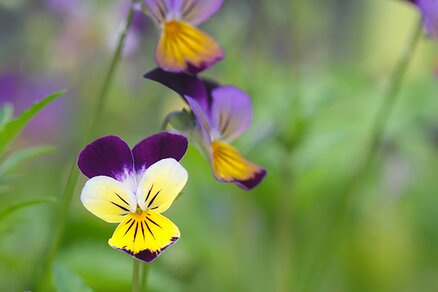
Wild pansy
Mother-of-God’s-shoe, field pansy – violet family (Violaceae)Learn more -
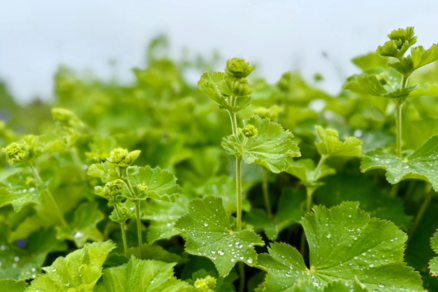
Common lady’s mantle
Lady’s mantle, Mary’s mantle, alchemist’s herb, women’s remedy, women’s solace, all-women’s remedy – Rosaceae (rose family)Learn more -
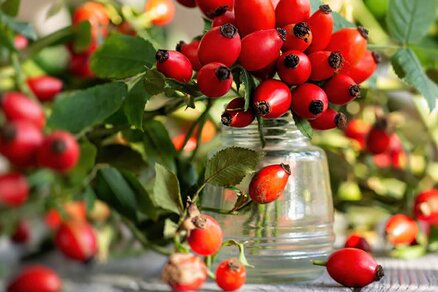
Rose hips
Wild rose, rose apple, Hägen – rose family (Rosaceae)Learn more


