True caraway
Carum carvi
Meadow or field caraway, bread caraway – Umbelliferae (Apiaceae)

Content overview
History
True caraway is a multicultural herb. Caraway was already known throughout the world in ancient times. Caraway originally hails from the south-eastern Mediterranean countries. It is now found, both cultivated and growing wild, throughout Europe and Asia.
Caraway is a herb with a very long history. Caraway seeds have even been found in Neolithic pile dwellings. In the Bible, Isaiah speaks of the ‘sowing of caraway’. Since at least the time of the Roman Empire, a wide range of medicinal and culinary uses have been known. In ancient Egypt, caraway was an important ritual plant used in the invocation of the spirits of the dead.
Caraway was also added to love potions to help ease the pain of parting. This is reflected in the fact that interest in caraway increased significantly when Queen Victoria (1819–1901) married the German Prince Albert of Saxe-Coburg (1819–1861).
An old saying further attests to caraway’s fame and popularity: ‘With caraway bread and a stick of liquorice, even the daftest lad can learn’.
Botany and Culture
Caraway (Carum carvi) belongs to the umbellifer family (Apiaceae). It is a biennial or, to a lesser extent, perennial plant that can grow up to one metre tall. The roots are spindle-shaped and branched. In its first year, caraway develops a rosette of fine, deeply pinnate leaves. In its second year, it produces medium-sized, branched umbels. The white flower umbels of caraway are popular with bees and bumblebees. Caraway seeds or fruits contain four to seven per cent essential oils.
Caraway requires fairly humus-rich and deep soil. The location should be sunny to full sun. Caraway can propagate itself through self-seeding, although it is very important to thin out the young plants. The delicate, young leaves can be harvested continuously throughout the summer, whilst the basal leaves should be left in place. The seed heads can be used in late summer, as soon as the seeds turn brown. To do this, cut off the seed heads and hang them in an airy, shady spot to ripen further.
Use in naturopathy
Caraway fruit and the caraway oil extracted from it are used in naturopathy to treat loss of appetite. The seeds, which are harvested from August to October and dried in the shade, can be chewed raw or after soaking, and thus aid digestion and stimulate the appetite. Caraway seeds are truly effective in aiding digestion following fatty or flatulent meals and also help to relieve stomach cramps and colic in the digestive organs. Taken drop by drop on a sugar cube, caraway oil helps with headaches and migraines. An essence made from caraway seeds is used as a mouthwash and also keeps the breath fresh.
And here’s another little tip: pigeon fanciers believe that tame pigeons will keep returning to their loft if there is some baked bread dough there to which fresh caraway seeds have been added.
- If you have any questions regarding use, we recommend that you consult a naturopath or a qualified chemist.
Use in the kitchen
The roots and delicate leaves of caraway can be used to make a delicious vegetable dish. The caraway roots required for this are dug up in late autumn and used fresh.
Caraway seeds are also an absolute must in goulash soup or Szeged goulash. And what would a cabbage or kohlrabi dish be without the well-known caraway seeds?
Used to flavour soups, bread and all manner of pastries, baked apples and cheese – not to mention caraway liqueur or caraway schnapps – caraway is found in practically every culinary tradition across the globe.
About the authors
Christian Fotsch
Christian Fotsch has been responsible for the content of the EGK-Health Insurance’s herbal newsletter since 2006. He is self-taught and has acquired extensive knowledge of herbs; together with his wife Ursula, he ran the ‘Silberdistel’ herb and medicinal plant nursery in Brienz (until 2010) and, until 2019, the well-known ‘Lindenhof’ herb hotel, in Brienz
More medicinal plants
-
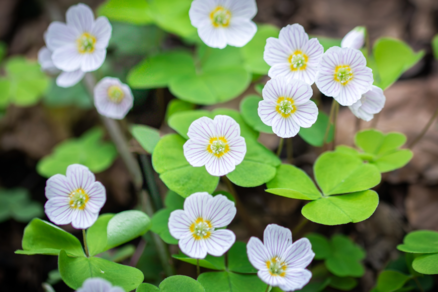
Wood sorrel
Common wood sorrel, cuckoo’s meat, weathercock, hare’s sorrel, sureli, sour gugger, Lord’s soup, gugger bread – wood sorrels (oxalidaceae)Learn more -

Narrow-leaved willowherb
Woodland willowherb, men’s herb, fireweed, rubble flower, women’s hair – evening primrose family (Onagraceae)Learn more -
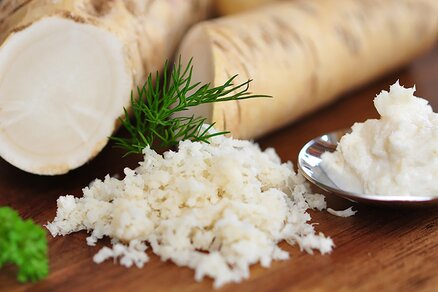
Horseradish
Horseradish, pepper root, country mustard, kren, Moravian radish – BrassicaceaeLearn more


