
Content overview
History
The use of lavender was already known in ancient times. The ancient Egyptians made precious balms from it, which they used, amongst other things, to mummify their dead. They pampered themselves with scented waters and placed perfume urns containing lavender in the graves of the deceased. When Tutankhamun’s final resting place was unearthed, it still smelled of lavender after 3,000 years.
The Greeks, for their part, adorned maidens who were sacrificed to the gods with lavender blossoms. Lavender also became a popular herb for eliminating unpleasant odours. For instance, the courtesans of antiquity used lavender essence to combat bad breath.
Indeed, the herb was universally popular, and when it was brought to our homeland by wandering monks across the Alps in the 11th century, purple-blue fields of lavender in full bloom were soon to be seen throughout Europe.
Lavender became a plant for lovers, who would give each other small bouquets of lavender as a token of affection. A sachet of dried lavender worn against the skin was said to attract one’s beloved, and when attached to the garter of Irish brides as a good-luck charm, it was believed to ensure a happy marriage.
Lavender soon became an indispensable part of everyday life. This is indicated by the genus name Lavandula . It is derived from the Latin lavare = to wash and refers to the historical significance of lavender baths, emphasising lavender’s general cleansing effect. Before we were inundated with synthetic fragrances and a vast array of strongly perfumed cleaning products, it was common practice to add a few drops of lavender essence to soapy water. The scent refreshed and invigorated the room with its harmonising effect and protected against disease-causing germs, pests and insects of all kinds. Thus, the scent of lavender is a tried-and-tested home remedy and keeps pests such as lice, clothes moths and food moths at bay.
Botany and Culture
Lavender is a small, perennial, bushy, fragrant shrub belonging to the Lamiaceae family. Its leaves are narrow and greenish-grey in colour. Depending on the variety, it grows to a height of between 20 and approximately 90 cm. In summer, it adorns our gardens and enchants us with its bright blue, fragrant flowers.
There are many different hybrids and cultivated varieties of lavender. True lavender (Lavandula angustifolia) is hardy. It thrives at altitudes of up to 1,200 metres above sea level, as does its cousin, Speik lavender (Lavandula latifolia), which has slightly wider, silver-grey leaves and is characterised by a taller growth habit (up to 90 cm). True lavender copes well with our climate.
The lavender shrub is native to the Mediterranean region and requires a sunny spot in the garden so that it can develop vigorous, healthy growth and delight us with its enchanting scent. Dwarf varieties are ideal for planting as fragrant border plants, provided they are pruned back regularly. Lavender is mainly propagated by cuttings or from seed.
During the flowering season from July to August, the lavender flowers are literally swarmed by butterflies and bees. To harvest, the flower stems are cut whilst in bloom, tied into bunches and stored in an airy, shady place to dry. After the peak of summer flowering, the lavender shrubs are pruned back.
If you plant lavender amongst roses, it protects them from aphid infestation. The scent of lavender – or rather, the abundant essential oil it contains – not only has the properties mentioned below but also inhibits the growth of fungi. The use of lavender oil has therefore proved effective for plants that are susceptible to fungal or pest infestations. As a preventative measure, depending on the severity of the infestation, the plants are sprayed every two to five days with one drop of lavender oil per litre of water.
Use in naturopathy
In naturopathy, true lavender is predominantly used. The flowers or the essence extracted from them provide relief from severe headaches, migraines and period pain. During the First World War, field doctors administered lavender essence to the wounded to disinfect wounds. For burns, compresses or gentle washes with lavender essence are very beneficial and can significantly speed up the healing process. Lavender is also suitable for the external treatment of eczema, insect bites and a wide variety of skin conditions, for the relief of gout and other rheumatic complaints, for lumbago and sprains, as well as for respiratory conditions. Lavender, with its valuable active ingredients, is also a component of ointments, balms, massage oils, bath additives, inhalation mixtures and other products.
- If you have any questions about how to use this product, we recommend that you consult a naturopath or a qualified chemist.
Use in the kitchen
Lavender is enjoying a renaissance in the kitchen. Cooking and decorating with these beautiful flowers is all the rage. The vibrant blue flowers delight both our eyes and our palates with their beauty and aroma. The fresh flowers are candied or added to salads, jams, jellies and ice cream. When steeped in vinegar, they produce an exquisite herb-infused vinegar for a special vinaigrette. Pastries and desserts flavoured with lavender have a very refined taste. Why not let the scent of lavender tempt you to experiment in the kitchen?
About the authors
Christian Fotsch
Christian Fotsch has been responsible for the content of the EGK-Health Insurance’s herbal newsletter since 2006. He is self-taught and has acquired extensive knowledge of herbs; together with his wife Ursula, he ran the ‘Silberdistel’ herb and medicinal plant nursery in Brienz (until 2010) and, until 2019, the well-known ‘Lindenhof’ herb hotel, in Brienz
More medicinal plants
-
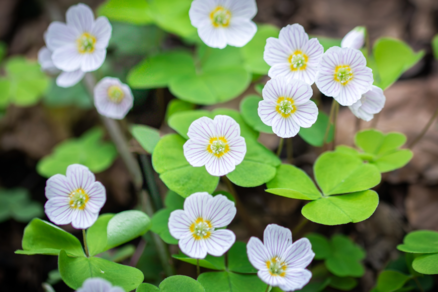
Wood sorrel
Common wood sorrel, cuckoo’s meat, weathercock, hare’s sorrel, sureli, sour gugger, Lord’s soup, gugger bread – wood sorrels (oxalidaceae)Learn more -
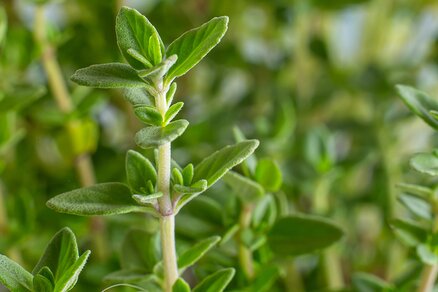
Common thyme
Garden thyme, culinary thyme, common thyme – LamiaceaeLearn more -
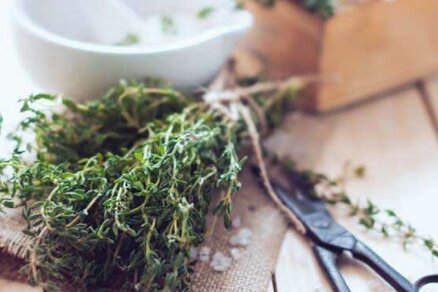
Sand thyme/wild thyme
Wild thyme, Roman thyme, Chölm, Muttenchölm – LamiaceaeLearn more


