

Content overview
Use in naturopathy
Ancient texts indicate that the silver fir has a long tradition in naturopathy. Frequent reference is made to its invigorating and purifying effects in baths, which can help with inflammation, rheumatism and gout. Baths made from needles, twigs, bark and resin-rich cones can also soothe the nerves, promote relaxation, alleviate respiratory conditions and have a beneficial effect on the skin.
A common use of the silver fir is to provide relief from respiratory conditions. The needles, resin, bark and cones contain many essential oils which can disinfect the airways and dilate the bronchi. This can help to thin out stuck mucus, aid coughing up phlegm and relieve cold symptoms.
These essential oils can be inhaled as vapour or used as a room spray. For inhalation, add approximately 3–5 drops of the essential oil or a handful of needles to 1 litre of hot water. The vapours are then carefully inhaled.
Small amounts of the resin can also be chewed as ‘forest chewing gum’. In this way, the resin can help to strengthen the gums.
One application that should not be overlooked is the resin ointment. Just as the resin repairs wounds on the tree, it can also help heal wounds on our skin. The ointment is said to have wound-healing, disinfectant and circulation-boosting properties and can be used, amongst other things, for dry skin, skin blemishes, rheumatic and muscular pain. It can also be used as a drawing ointment to extract splinters.
- If you have any questions regarding use, we recommend that you consult a naturopath or a qualified chemist.
Use in the kitchen
The scent of the silver fir is reminiscent of orange and lemon, complemented by a resinous note. The tree’s needles and resin lend food and drink a distinctive, fresh, woody aroma. Ideally, the young needle shoots are harvested in May. These can be used fresh. The older needles can be harvested throughout the year, but are slightly tougher and are not suitable for fresh consumption. They are therefore steeped in drinks to extract the flavour, or used dried and ground in food.
This means that silver fir can be used to make a wide variety of products at any time of year. These include savoury dishes such as mustard, pesto, spices, oils, butter, salts and breads, or they can be used to enhance flours. It is also ideally suited to sweet dishes such as creams, ice cream, honey, biscuits, cakes and pralines.
A popular culinary use is silver fir syrup and silver fir liqueur, which are made from the needles. To make the syrup, the needles are simmered with sugar and water until an aromatic syrup is produced, which is excellent for sweetening teas or desserts. To make the liqueur, place the needles in a glass bottle together with sugar and alcohol, and leave the mixture to stand for about three weeks. During this time, the bottle should be shaken once a day to help the sugar and the aroma of the needles dissolve more effectively.
Another highlight is silver fir tea. To make it, fresh or dried needles or twigs are steeped in hot water and left to infuse for a few minutes. The tea has a pale green colour and gives off a refreshing, natural scent reminiscent of the forest.
Things you should know
The silver fir is the tallest tree native to Europe. It can grow to a height of up to 65 metres and live for between 500 and 600 years. The tallest silver fir in Switzerland stands in the Val de Travers in the canton of Neuchâtel, measuring 58 metres in height and
300 years old.
During the winter months, the resin and needles of the silver fir are often used for burning incense. The practice of burning silver fir incense has a long tradition. Even before frankincense and myrrh reached us from distant lands, silver fir was one of the plants used for burning. Burning silver fir can help to purify the air and relieve stress and tension.
The needles of the silver fir have a glossy, dark-green upper surface and a pale-green underside with two characteristic white lines. When collecting silver fir, care must be taken not to confuse it with the highly poisonous yew. The needles of the yew are a richer green, have no white lines on the underside and are significantly softer and more flexible than those of the silver fir. When the yew bears its distinctive red berries, it is virtually impossible to confuse it with the silver fir.
About the authors

Dominik Imhof
Dominik Imhof, who grew up in Muotathal, discovered his passion for wild plants and mushrooms at an early age. Following a career as a handball player and training as an electrical engineer, he went on to deepen his knowledge of nutrition and health.
He completed training programmes to become a specialist adviser on self-sufficiency using edible wild plants and wild mushrooms at the University of Applied Sciences for Economics and the Environment (HfWU), as well as a TEN medicinal plant specialist. Today, he shares his expertise through field trips, workshops and group events.
On his website, you’ll find comprehensive information on wild plants, unusual products and much more.
Learn more
More medicinal plants
-
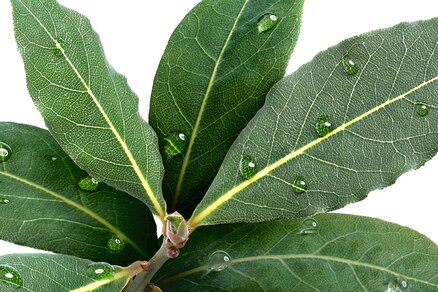
Bay leaf
Kitchen laurel, noble laurel, true laurel – laurel family (Lauraceae)Learn more -
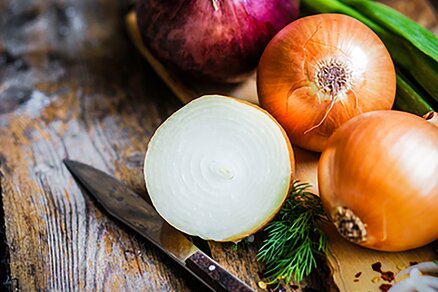
Onion
Onion, Böllä, Zibele, Zwiefel, Zwibollä, Zwiewel – Amaryllis family (Amaryllidaceae)Learn more -
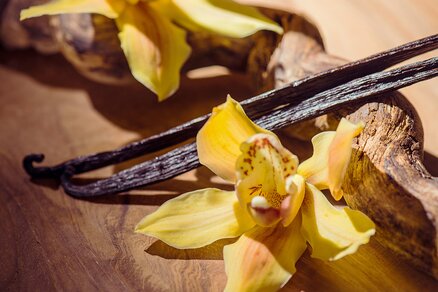
Real vanilla
Bourbon vanilla, Mexican vanilla, Tahitian vanilla (commonly available varieties) – orchid family (Orchidaceae)Learn more


